

For years, SpaceX has been one of the most valuable private companies on the planet. It is not just a rocket company anymore. SpaceX now sits at the center of several major growth stories: reusable rockets, Starlink satellite internet, government space contracts, lunar missions, Mars ambitions, and possibly even space-based AI infrastructure.
That combination makes the potential SpaceX stock market debut much bigger than a normal IPO.
According to recent reporting, SpaceX shareholders have approved a 5-for-1 stock split, and the company could target a Nasdaq listing as early as June 2026. Reports have also suggested a possible valuation around $1.75 trillion, with SpaceX potentially raising tens of billions of dollars. SpaceX itself has not publicly confirmed all final IPO details, so investors should treat the numbers as reported expectations rather than guaranteed facts. (Reuters)
Still, one thing is clear: if SpaceX goes public, it could become one of the most watched IPOs in history.
Is SpaceX Going Public?
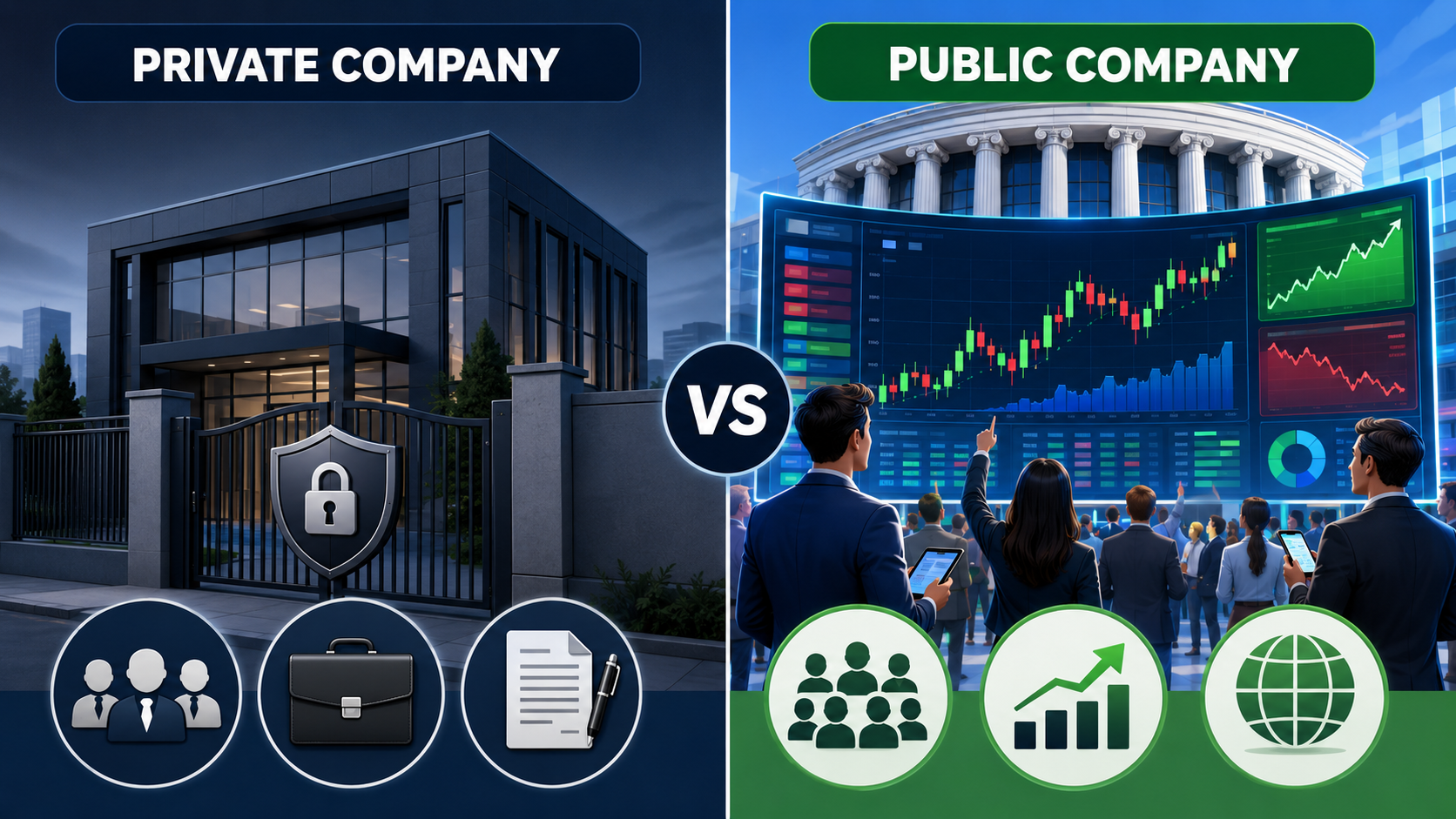
SpaceX is currently still a private company. That means normal retail investors cannot simply open a brokerage app and buy SpaceX stock the same way they can buy Apple, Tesla, Nvidia or Microsoft.
However, recent reports suggest that SpaceX is preparing for a public listing. Reuters reported that SpaceX shareholders approved a stock split, while Bloomberg reported that the company could aim for a Nasdaq IPO as early as June 12, 2026. Reuters also noted that SpaceX had not commented on the report at the time. (Reuters)
This matters because a stock split before an IPO can make shares look more accessible and easier to price for a broader investor base. It does not change the total value of the company by itself, but it can make the share price appear more manageable.
For example, Reuters reported that the split would adjust the fair market value of SpaceX shares from $526.59 to $105.32. (Reuters)
That does not mean public investors will automatically get that price. IPO pricing can still change depending on demand, market conditions and the final offering structure.
What Could the SpaceX IPO Valuation Be?
The biggest number investors are watching is the possible SpaceX valuation.
Reuters reported that SpaceX could seek to raise around $75 billion at a valuation of approximately $1.75 trillion. If that happens, SpaceX would not just be another tech IPO. It could be one of the largest public offerings ever. (Reuters)
To understand how big that is, compare it with normal IPOs. Many large companies go public at valuations in the tens of billions. SpaceX could be valued in the same league as some of the biggest publicly traded companies in the world before normal investors even get a chance to buy.
That is exciting, but it also creates risk.
A high IPO valuation means investors may already be paying for years of expected future growth. SpaceX is an extraordinary business, but even extraordinary businesses can become risky investments if the starting price is too high.
Why Is SpaceX So Valuable?
SpaceX has several powerful business drivers.
The first is its rocket launch business. SpaceX changed the launch industry with reusable rockets. Reusability can lower costs and improve launch frequency, which gives the company a major competitive advantage.
The second major driver is Starlink. Starlink is SpaceX’s satellite internet business. It provides broadband internet through a network of low-Earth orbit satellites. This is important because Starlink gives SpaceX a recurring revenue model, not just project-based rocket launch income.
The third driver is government and defense demand. SpaceX plays an important role in U.S. space infrastructure, NASA missions and satellite launches. That makes the company strategically important.
The fourth driver is future optionality. Investors are not only looking at what SpaceX is today. They are also pricing in what it could become: a global satellite internet provider, a space logistics company, a lunar infrastructure partner, a Mars transport system, and possibly a platform for space-based computing in the future.
That is why the SpaceX IPO is attracting so much attention.
Is Starlink the Real Reason Investors Want SpaceX Stock?
For many investors, yes.
Rockets are exciting, but Starlink may be the part of SpaceX that makes public market investors most interested. A rocket launch business can be large, but it is still connected to contracts, launch schedules and operational risk.
Starlink is different. It has the potential to become a global internet infrastructure business.
If Starlink continues to grow, it could give SpaceX a more predictable revenue stream. That kind of business model is easier for stock market investors to understand. Investors like recurring revenue because it can support higher valuations when growth is strong.
This is why many people search for Starlink IPO as much as SpaceX IPO. For a long time, investors expected Starlink could go public separately. Now, the focus appears to be on a broader SpaceX IPO.
What Will the SpaceX Stock Ticker Be?
There is currently no official public SpaceX stock ticker.
Because SpaceX is still private, it does not trade under a ticker symbol on the Nasdaq or New York Stock Exchange. Some investors guess possible tickers like SPCX, XSPC, or STAR, but these are only speculation.
Until SpaceX officially files and confirms the exchange and ticker, investors should be careful with websites or social media posts claiming there is already an official SpaceX ticker.
If SpaceX does go public, the official ticker would be announced before trading begins.
Can You Buy SpaceX Stock Before the IPO?
For most retail investors, buying SpaceX stock before the IPO is difficult.
Because SpaceX is private, shares are usually only available through private secondary markets, employee share sales, venture funds, or investment vehicles with access to private company shares. These options often require high minimum investments, accredited investor status, limited liquidity and extra fees.
Some investors may already have indirect exposure through funds or investment trusts that own private SpaceX shares. For example, MoneyWeek reported that Scottish Mortgage, a UK investment trust managed by Baillie Gifford, valued its SpaceX holding at around $1.25 trillion implied valuation as of March 31, 2026, based on verifiable transaction data. (MoneyWeek)
But indirect exposure is not the same as owning SpaceX shares directly. The fund may own many other companies, and its share price can trade above or below the value of its underlying holdings.
Why the SpaceX IPO Could Be Different From Other IPOs
The SpaceX IPO would be different because of its scale, its founder, and its governance structure.
Reuters reported that IPO filing excerpts show SpaceX could use supervoting shares, mandatory arbitration, stricter shareholder proposal rules and Texas corporate law to give Elon Musk and insiders strong control. (Reuters)
Reuters also reported that Musk could be difficult to remove from leadership because of Class B super-voting shares. (Reuters)
This is important for investors.
Many founder-led tech companies use dual-class share structures. This can help founders stay focused on long-term goals instead of short-term market pressure. But it can also reduce the power of public shareholders.
In simple terms: public investors may be able to buy the stock, but they may have limited influence over company decisions.
Some investors will see that as a strength because they believe in Elon Musk’s long-term vision. Others will see it as a governance risk.
What Are the Biggest Risks of the SpaceX IPO?
The SpaceX story is exciting, but investors should not ignore the risks.
1. Valuation Risk
If SpaceX goes public at a valuation above $1 trillion, a lot of future success may already be priced in. Even if the company performs well, the stock could still struggle if investors believe the IPO price was too high.
2. IPO Hype Risk
Famous IPOs often attract huge attention from retail investors. That can push prices up quickly in the beginning. But after the excitement fades, the stock can become volatile.
3. Governance Risk
If public shareholders have limited voting power, they may have little influence over leadership, board decisions or strategic direction. Reuters has reported that SpaceX’s IPO structure could give Musk and insiders sweeping control. (Reuters)
4. Execution Risk
SpaceX has ambitious goals. Rockets, satellites, launch infrastructure and space missions are complex and expensive. Delays, failures or regulatory issues could affect investor confidence.
5. Starlink Competition
Starlink has a strong position, but satellite internet is not risk-free. Competition, regulation, pricing pressure and infrastructure costs could affect long-term profitability.
6. Market Timing Risk
Even great companies can have difficult IPOs if the stock market environment is weak. Interest rates, tech stock sentiment and broader market volatility can all affect IPO performance.
Could SpaceX Become Bigger Than Tesla?
This is one of the biggest questions investors are asking.
Tesla gave public investors a way to invest in electric vehicles, batteries, autonomous driving hopes and Elon Musk’s brand. SpaceX could offer exposure to rockets, satellites, space infrastructure and global internet connectivity.
In some ways, SpaceX may be even more unique than Tesla. There are many electric vehicle companies, but there are very few companies with SpaceX’s launch capability, Starlink network and government relationships.
However, bigger opportunity does not automatically mean better investment returns.
The key question is not only whether SpaceX is a great company. The key question is whether the IPO price gives investors enough upside after the company goes public.
A great company can still be a poor investment if bought at an extreme valuation.
What Should Investors Watch Before Buying SpaceX Stock?
Before buying SpaceX stock after a possible IPO, investors should watch several things.
First, look at the final valuation. Is the IPO priced at $1 trillion, $1.5 trillion, $1.75 trillion or even higher? The higher the valuation, the more growth SpaceX must deliver.
Second, look at revenue and profit details. The official IPO documents should give investors more information about SpaceX’s financials, including Starlink performance, launch revenue, margins and future spending needs.
Third, look at the share structure. Investors should understand how much voting power public shareholders will actually have.
Fourth, look at lock-up periods. If insiders or early investors are allowed to sell shares shortly after the IPO, that could create pressure on the stock.
Fifth, look at market sentiment. If tech stocks are strong, the IPO could attract major demand. If markets are weak, even SpaceX could face volatility.
Is the SpaceX IPO Good for Retail Investors?
The SpaceX IPO could be a historic opportunity, but it may not be a simple one.
Retail investors often get excited about famous brands. That is understandable. SpaceX is one of the most impressive companies in the world. But IPO investing requires discipline.
The best approach is not to buy only because of hype. Instead, investors should ask:
Is the valuation reasonable?
Are the financials strong?
How much control do public shareholders have?
How much future growth is already priced in?
Can I handle large price swings?
Am I buying a long-term business or chasing a short-term trend?
For long-term investors, SpaceX could become a major public company to watch. But patience may be important. Sometimes the best opportunity comes after the first wave of IPO excitement cools down.
Final Thoughts: SpaceX IPO Could Be Historic, But Investors Need Discipline
The possible SpaceX IPO could become one of the biggest market events of 2026.
The company combines rockets, satellites, Starlink internet, government contracts and Elon Musk’s long-term space vision. That makes SpaceX one of the most exciting private companies in the world.
But excitement is not the same as guaranteed returns.
If SpaceX goes public at a very high valuation, investors will need to be careful. The company may have enormous potential, but the IPO price will matter. Governance will matter. Financial details will matter. Market timing will matter.
For now, SpaceX remains a private company. There is no official public ticker yet, and normal retail investors cannot buy regular SpaceX shares on the open market.
If the IPO happens, it could open the door for millions of investors to own a piece of Elon Musk’s space company. But the smartest investors will look beyond the headline and study the numbers before buying.
FAQ Section
Is SpaceX publicly traded?
No. SpaceX is currently still a private company. Normal retail investors cannot buy SpaceX stock on a public exchange yet.
When is the SpaceX IPO date?
Recent reports suggest SpaceX could target a Nasdaq listing as early as June 2026, but final timing has not been officially confirmed by SpaceX. (Reuters)
What is the SpaceX stock ticker?
There is no official SpaceX stock ticker yet because the company is not publicly traded.
How much could SpaceX be worth?
Recent reporting has suggested a possible IPO valuation around $1.75 trillion, but final valuation could change before any public listing. (Reuters)
Is Starlink part of SpaceX?
Yes. Starlink is SpaceX’s satellite internet business and is one of the main reasons investors are interested in SpaceX.
Can retail investors buy SpaceX before the IPO?
Most retail investors cannot directly buy SpaceX shares before the IPO. Some private market platforms or funds may offer indirect exposure, but these options often come with restrictions, high minimums and liquidity risks.
Is SpaceX a good investment?
SpaceX may be a high-quality company, but whether the stock is a good investment depends on the IPO valuation, financial results, shareholder rights, growth outlook and market conditions.
Before buying any newly listed company, it helps to understand how an IPO works and why the first trading days can be volatile.
Disclaimer: This article is for educational and informational purposes only. It is not financial advice, investment advice or a recommendation to buy or sell any security. IPO details can change quickly. Always do your own research or speak with a qualified financial professional before investing.